Shikshana Mahiti — September 2024
September 1, 2024
Announcement
AICTE has informed the Vice-Chancellors, Registrars and Directors of all Universities to ensure high standards in technical education in all affiliated institutions.
National News
The University Grants Commission (UGC) has released a notification directing higher educational institutions to register on the NATS 2.0 Portal to maximise apprenticeship opportunities for their students.
Union Education Minister Dharmendra Pradhan Releases Compendium Of UGC Regulations.
The National Instructional Media Institute (NIMI), under the Directorate General of Training (DGT) and Ministry of Skill Development and Entrepreneurship (MSDE), launched a series of YouTube channels to make vocational education accessible to all.
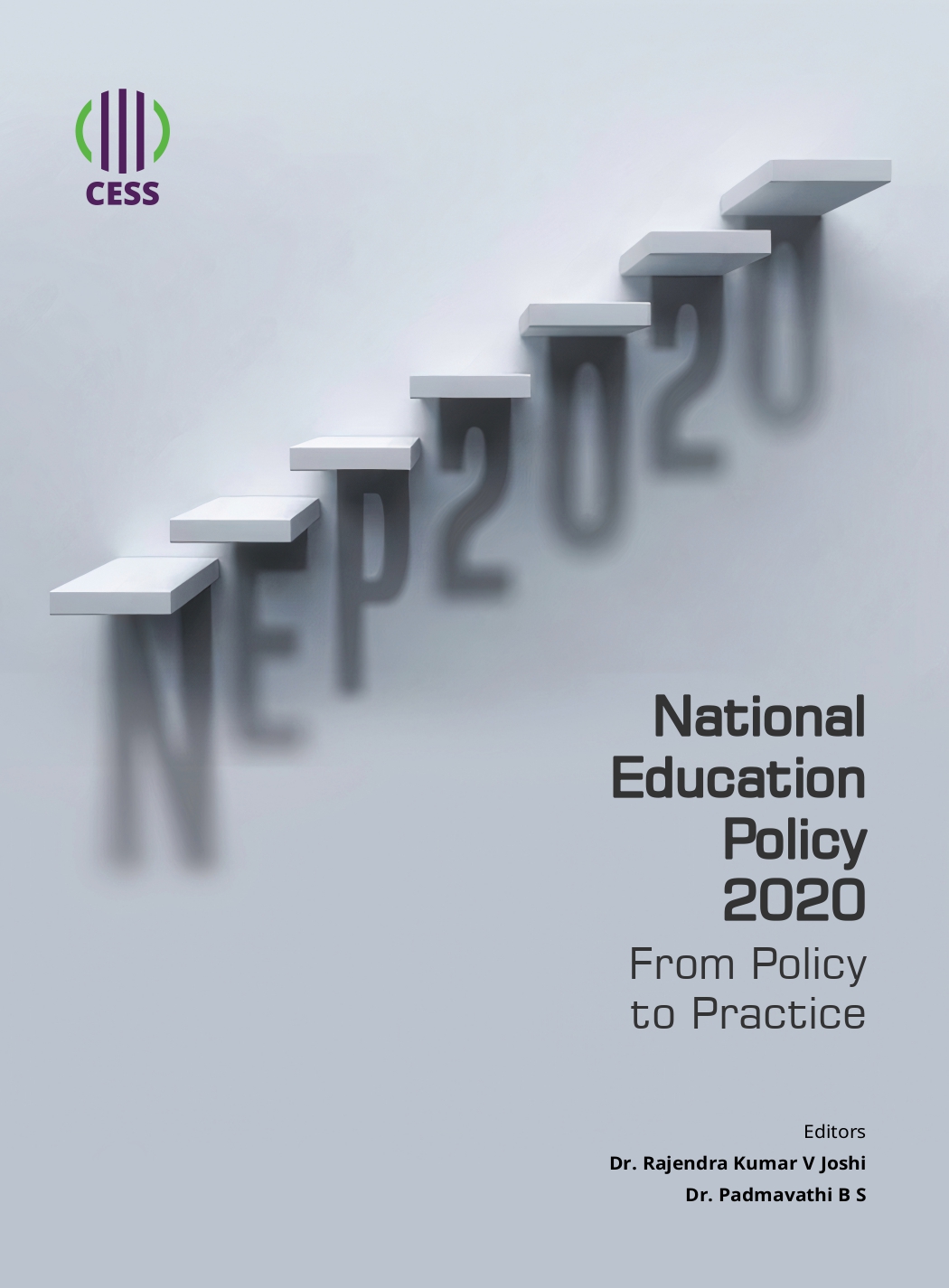
Our Latest Book is now available!
"National Education Policy 2020: From Policy to Practice"
Don't miss out this insightful read on the Key Ideas of NEP 2020 Implementation!!
Get your copy today: Click here
Edu-Prism
Breaking Glass Ceiling: The Impact of Education on Empowering Rural Women
Education holds the key to unlocking the potential of rural women, enabling them to shatter the glass ceiling that has long constrained their opportunities. Access to quality education equips rural women with the tools to break free from the grip of poverty, inequality, and social injustice. By gaining essential knowledge, skills, and self-assurance, they are empowered to overcome these formidable barriers, ultimately transforming their lives, families, and communities. The positive impact of education on rural women is both profound and far-reaching, driving improvements in health, economic independence, and social participation. This article delves into the transformative power of education in the lives of rural women, showcasing the tangible outcomes that are reshaping rural communities across the globe.
Education plays a pivotal role in driving the economic empowerment of rural women. With enhanced skills and knowledge, their earning potential can increase significantly, by as much as 20%, according to the World Bank. Education also fosters entrepreneurship, enabling women to start businesses, create jobs, and stimulate local economies. Moreover, it promotes financial independence by helping women make informed decisions about household resources and negotiate better wages and working conditions. This empowerment leads to greater economic security, increased resilience, and a stronger voice in community decision-making processes.
Education empowers rural women socially and transforms their lives and communities. By acquiring knowledge and skills, they achieve better health outcomes and well-being, allowing them to prioritize self-care and family health. Education strengthens their social status and respect and challenges traditional gender roles and stereotypes. In addition, educated rural women participate more actively in community decision-making and influence policies and programs that impact their lives. With more self-confidence and a greater voice, they stand up for their rights, fight social injustices and become role models for future generations. This social empowerment fosters a domino effect, creating more inclusive, equitable, and thriving communities.
Education promotes rural women's personal growth and development and unlocks unprecedented confidence and self-esteem. As they acquire knowledge and skills, they discover their potential and overcome self-doubt and social limitations. Education expands their career and educational opportunities and allows them to pursue passions and interests. This empowerment leads to personal fulfilment and happiness as rural women develop a stronger sense of identity and purpose, build resilience and adaptability, cultivate critical thinking and problem-solving skills, enhance their creative expression and innovation, and cultivate meaningful relationships and social connections. By acquiring knowledge and skills, rural women build confidence, self-esteem and resilience, opening up expanded career and educational opportunities that lead to personal fulfilment and happiness.
Educated rural women often become powerful agents of social change. By leading initiatives within their communities, they inspire others and demonstrate the transformative impact of education. They take on leadership roles, mobilize community members to tackle pressing issues, and collaborate with local organizations to implement change. Their advocacy efforts influence policies and promote a culture of inclusivity and social cohesion. In this way, educated rural women not only transform their own lives but also initiate positive change that uplifts entire communities.
Education is the transformative force that breaks the glass ceiling and unleashes the limitless potential of rural women. It not only brings economic independence but also helps to overcome social barriers and patriarchal norms. On a whole, with education and empowerment rural women become beacons of hope who inspire positive social change, lead community initiatives and promote inclusive development.
Ms. Aruna
Research Assistant, CESS
Karnataka News
To Develop reading skills among school children studying in classes 1 to 7, The Department of School Education has organised a ‘Reading Campaign’ at all government and aided schools for 21 days in two phases
Karnataka govt to regulate nursing college fees, crack down on substandard institutions
Karnataka launches 'Nipuna Karnataka' to equip youth with IT industry skills.

Voices on Education
Chetan Singai and TR Kumaraswamy write: India’s ranking framework is at odds with national policy
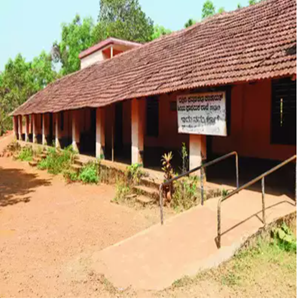
Sridhar Vivan writes: 3,000-plus government schools in brittle state in Karnataka
Centre for Educational and
Social Studies
The Centre for Educational and Social Studies (CESS) is a registered society established in 2006. Since its inception CESS has been working in the field of education. CESS, guided by its vision of bringing about ‘Social Transformation Through and With Education’ is striving to draw the attention of stakeholders, including State and Central Government, on vital issues of education. We at CESS engage in Research, Policy Advocacy and Capacity Building in the broad sphere of Education. In the recent past, since the unveiling of NEP, CESS has conducted over 100 webinars and stakeholders consultations on policy awareness and on policy implementation and has reached out to more than 30,000 stakeholders of education. CESS has launched ‘NEP Ready’-a capacity building training workshops to facilitate HEIs in the effective implementation of NEP 2020.
Disclaimer: This document is being presented to you for your information. The information and opinions in the news articles contained in Shikshana Mahithi are captured from the government websites and authors of the articles. CESS is a not-for-profit organization and does not endorse the presented news.