Shikshana Mahiti — May 2025
May 1, 2025
Announcement
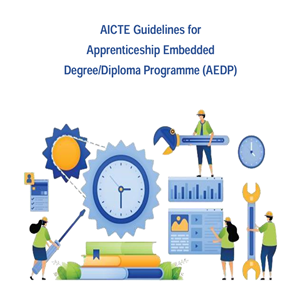
AICTE has issued guidelines for Apprenticeship Embedded Degree/Diploma Programme (AEDP).
National News
The Union Government has approved a stimulus of Rs 60,000 crore for upgradation and skilling of Industrial Training Institutes (ITIs) and setting up of five National Centre’s of Excellence to revive vocational education and strengthen training of an industry-ready workforce.
AICTE has launched 500 Online ATAL Faculty Development Programs (FDPs) for the financial year 2025–26. The program was inaugurated by Prof. T.G. Sitharam, Chairman of AICTE
AICTE launches Rs 10 lakh fellowship programme to transform student innovations into market-ready products

Illinois Tech, first U.S. University Approved to Establish a Degree-Granting Campus in India.
Edu-Prism
Karaga Dyavara: A Festival of Faith, Community, and Women’s Devotion
In the heart of Karnataka’s Bengaluru Rural district, Devanahalli Taluk, the village of Channarayapatna comes alive each year with the vibrant and spiritually charged Karaga Dyavara festival. Celebrated primarily by the Vokkaliga, Holeya, and Valmiki (Nayakas) communities, this festival is a profound tribute to Karagadamma, a revered form of Goddess Parvati. Held during the month of Chaitra (April to May), the festivities span five to nine days, weaving together myth, ritual, and deep-rooted community traditions. What makes Karaga Dyavara truly remarkable is not just its religious significance but its embodiment of social harmony and women’s spiritual leadership. Before the rituals commence, leaders from all three communities gather to plan the festival’s logistics and expenses, setting aside caste hierarchies in a display of unity. Yet, during the sacred processions, traditional roles are honored Vokkaliga women leading, followed by Valmiki and Holeya participants, reflecting a balance between inclusivity and cultural heritage.
At the heart of Karaga Dyavara, the devotion and discipline of women, who are the spiritual anchors of the festival. The rituals begin with a deeply symbolic tradition where married and widowed women receive special offerings from their maternal homes. These gifts, turmeric, flowers, rice, jaggery, butter, clothes, and worship materials, are more than just tokens; they represent blessings, familial love, and support. In earlier times, these offerings were brought on a sacred cow, which was worshipped upon arrival, symbolizing prosperity and divine connection. For the next several days, women observe strict fasting, consuming only unsalted rice at night while engaging in rigorous household and temple pujas. They adorn themselves in ceremonial ornaments like anklets and thali, cleanse their homes, and prepare spiritually for the most sacred part of the festival, the Harishina Shastra/ritual. One of the most visually stunning aspects of Karaga Dyavara, Harishina Shastra/ritual, is the grand procession of women to a village well, where they perform sacred water rituals. Carrying bronze conches, they draw water and pour it into effigies of deities, symbolizing their role as bearers of purity and life-givers. This act is not just a ritual but a powerful reaffirmation of women’s connection to nature, fertility, and divine energy.
Despite modern challenges like water scarcity, the tradition persists with adaptations, such as using water from drums while retaining its spiritual essence. Each day of the festival sees women leading prayers, making offerings, and reinforcing intergenerational bonds through shared devotion.
The culmination of Karaga Dyavara is marked by elaborate ceremonies and communal joy. After a purifying ritual bath, women dress in their finest traditional attire and carry bronze plates with lamps and offerings to the temple. A particularly touching moment occurs when a mother-in-law places a ceremonial plate on her daughter-in-law’s head, symbolizing the passing of blessings and responsibilities from one generation to the next. A final procession to nearby temples follows, where sacrifices and prayers conclude the divine observances. The festival then transitions into a community feast, where men take charge of cooking, serving a grand meal that symbolizes shared joy and gratitude.
Karaga Dyavara is more than a religious event; it is a celebration of resilience, unity, and feminine divinity. Through fasting, rituals, and processions, women reaffirm their role as custodians of faith and culture, bridging generations and communities. In a rapidly changing world, the festival stands as a testament to the enduring power of tradition, where devotion transcends caste and modernity. It reminds us that in the sacred rhythms of Karaga Dyavara, faith is not just worshipped but lived through the hands that offer, the feet that walk in procession, and the hearts that beat in unison for the divine. As Channarayapatna prepares for the next Karaga Dyavara, the village continues to honor its past while embracing the future, proving that some traditions only grow stronger with time.
Anushree C T
Intern Student
Centre for Women’s Studies
Bangalore University
Voice on Eductaion
Kathyayini Chamaraj writes: Karnataka’s RTE: A model for other states

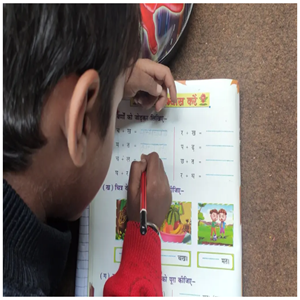
Anirudh Tagat writes: Do language mismatches affect grade repetition?
Srinath Sridharan writes: Broken schools, broken future: Why India needs an Education regulator.

Centre for Educational and
Social Studies
The Centre for Educational and Social Studies (CESS) is a registered society established in 2006. Since its inception CESS has been working in the field of education. CESS, guided by its vision of bringing about ‘Social Transformation Through and With Education’ is striving to draw the attention of stakeholders, including State and Central Government, on vital issues of education. We at CESS engage in Research, Policy Advocacy and Capacity Building in the broad sphere of Education. In the recent past, since the unveiling of NEP, CESS has conducted over 100 webinars and stakeholders consultations on policy awareness and on policy implementation and has reached out to more than 30,000 stakeholders of education. CESS has launched ‘NEP Ready’-a capacity building training workshops to facilitate HEIs in the effective implementation of NEP 2020.
Disclaimer: This document is being presented to you for your information. The information and opinions in the news articles contained in Shikshana Mahithi are captured from the government websites and authors of the articles. CESS is a not-for-profit organization and does not endorse the presented news.