Shikshana Mahiti — July 2024
July 1, 2024
National News
Shri Dharmendra Pradhan calls upon States to work together for building a collaborative education system.
AICTE & OPPO collaborate for ‘Generation Green’ campaign; to build green skills through 5,000 student internships in India.
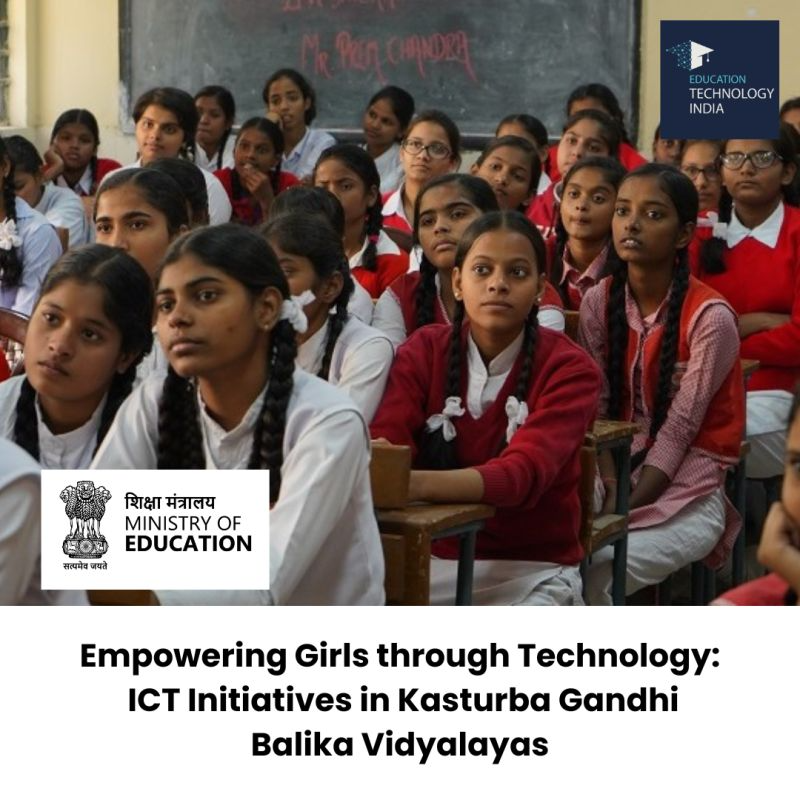
Ministry of Education to provide ICT Labs and Smart Classrooms in all functional Kasturba Gandhi Balika Vidyalayas and Hostel.
NCERT has given clarification on misleading news item regarding NCERT Textbooks.

Jawaharlal Nehru University to set up centres for Hindu, Buddhist and Jain studies.
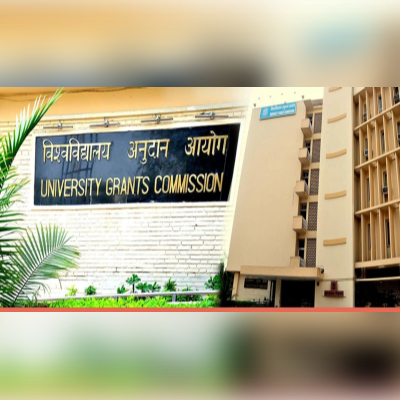
The University Grants Commission has approved a bi-annual admission system for higher education in India, starting from the 2024-25 academic session.
Centre reviews implementation of NEP 2020, prepares 5-year action plan.
Edu-Prism
Redefining Learning: Embracing Outcome-Based Education
The Indian educational landscape has seen tremendous shifts over time. From time immemorial emphasis on content and processes to the Information Age's emphasis on skills and outcomes, education has constantly evolved to meet the demands of an ever-changing world. Education has seen drastic transformations in recent decades, owing to technological advancements, globalization, and changing societal needs. Traditional methods of learning and standardized testing are losing way to innovative techniques that emphasize critical thinking, creativity, and practical abilities. Outcome-Based Education (OBE) is one such strategy that is gaining traction globally. This student-centered paradigm strives to prepare students for real-world challenges by teaching them critical 21st-century skills and competencies.
Outcome-Based Education marks a substantial transformation in the Indian education system. Historically, the Indian education system has placed a great focus on theoretical knowledge and high-stakes tests. However, with the growing understanding of the importance of holistic development and employability, there is an urgent need to transform the educational system. An attempt to transform the horizon has been made in the 2020 National Education Policy (NEP), which advocates for a more flexible and multidisciplinary approach, encourages critical thinking, and promotes experiential learning. OBE focuses on specific learning outcomes, bridging the gap between academic knowledge and practical application. It promotes a learner-centred approach by including experiential learning activities such as projects, internships, and problem-solving assignments. This hands-on approach improves comprehension and encourages critical thinking, creativity, and teamwork which in turn encourages flexibility and customization, enabling educators to tailor instructional methodologies and evaluation approaches to individual requirements. This increases diversity and minimizes reliance on standardized testing as the sole indicator of academic achievement.
In India's fast-changing employment economy and global competitiveness, OBE provides students with the skills and competencies required for success beyond the classroom. It promotes innovation, entrepreneurship, and flexibility, preparing students to face complex challenges and make effective contributions to society. Embracing OBE in India is not merely a reform of education but a step towards empowering the generations to come with knowledge along with its applicability to thrive in the competitive world that we live in!
DImplementing outcome-based education in India, involves several obstacles. These include opposition to a shift from established educational techniques, a scarcity of trained educators, and inadequate infrastructure. Additionally, a strong assessment system is required to accurately measure learning outcomes. To solve these obstacles, educators must be provided with professional development opportunities both in their domain and in understanding the education system to ensure they have the skills and knowledge necessary to properly apply OBE. Infrastructure improvements, such as access to technology and educational resources, are also critical. Furthermore, building a comprehensive evaluation system, and coming up with a matrix that adheres to OBE principles can aid in correctly tracking student progress and assuring the success of the educational system.
Outcome-based education (OBE) is a change in education that emphasizes students' abilities over their education. It prioritizes output over input, skills over grades, applicability over teaching hours, and the magnitude of the chapter. Implementing OBE in India, particularly in Bangalore, has the potential to result in a more dynamic, productive, effective, and relevant education system. By addressing the issues through deliberate investments in educator training, infrastructure, and assessment frameworks, OBE can greatly improve educational outcomes. This method not only prepares students for the challenges of today's world but also develops a culture of constant improvement and innovation in education.
Ms. Siri Muralidhar
Intern, CESS
2nd Sem,B.Sc. (EMS)
Christ (Deemed to be University)
Bengaluru
Karnataka News
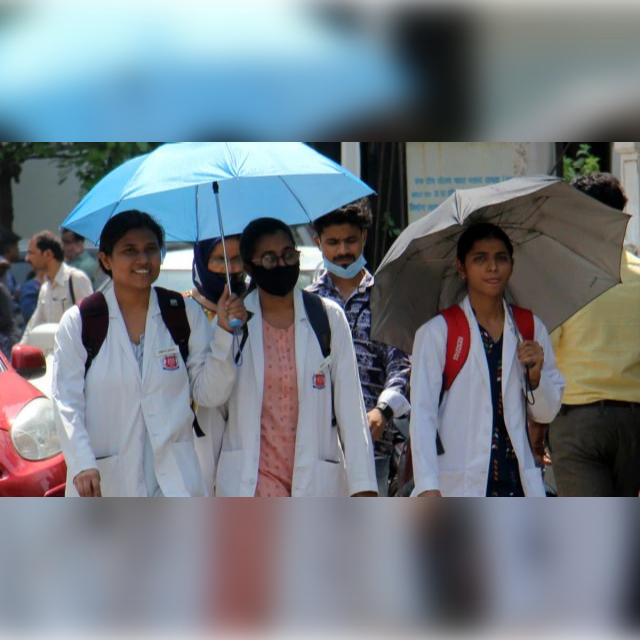
Karnataka requests Centre to allow 15% NRI quota for MBBS seats in govt medical colleges.
No more private varsities in state, decides Karnataka government, said HE Minister.
Karnataka government opposes UGC order on biannual admissions in Higher Education Institutions.
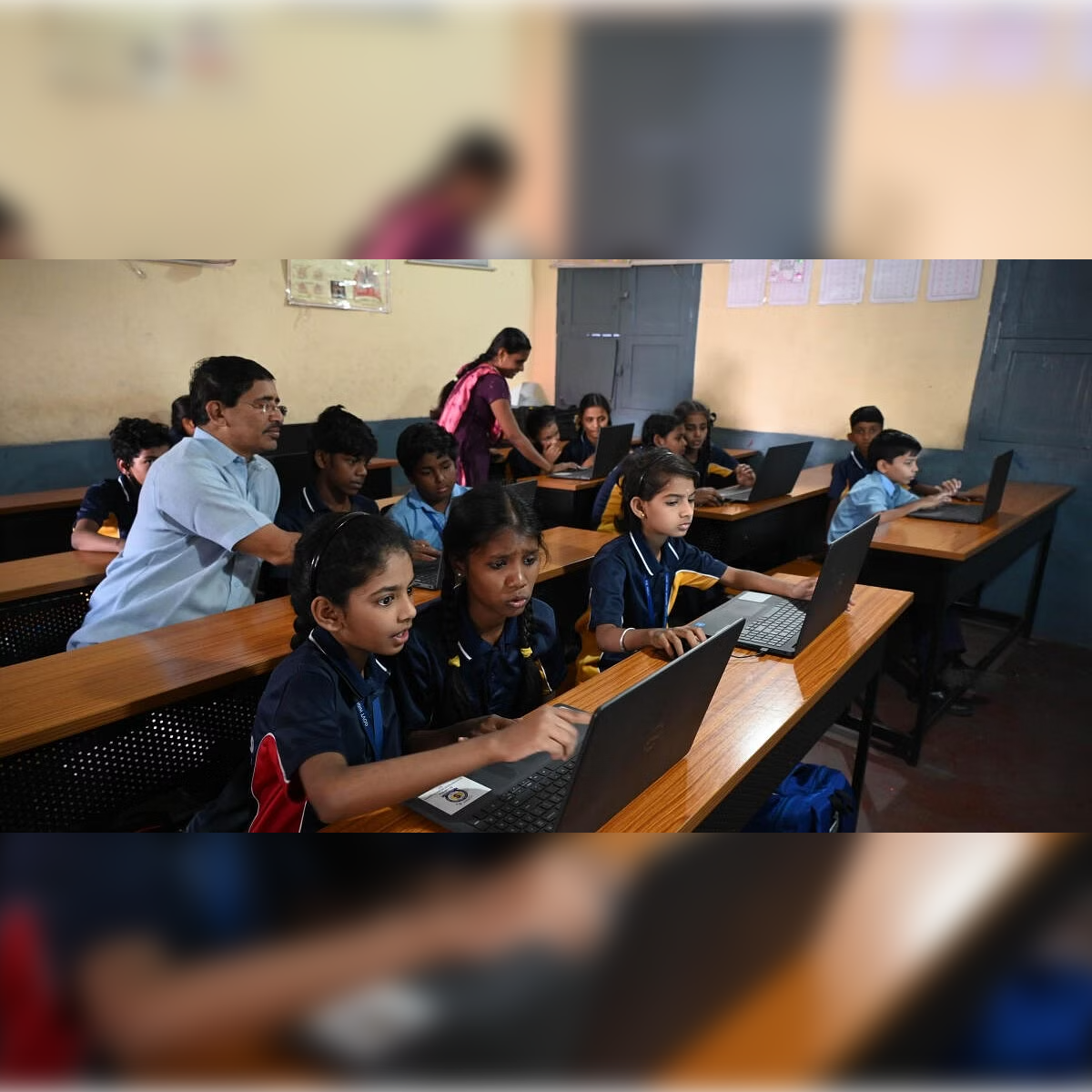
The school education department has issued a circular asking all schools and colleges to start the ‘Naavu Manujaru’ (We the Humans) programme.
Karnataka High Court issues notice to State and Centre on PIL plea challenging framing of State Education Policy by ignoring NEP-2020.
Voices on Education
Sheeba Chauhan writes: From uncertainty to opportunity – AICTE's vision for industry-academia synergy.


ET Bureau: A Roadmap to Viksit Bharat - Transforming Indian Higher Education for the Future.
The Hindu Brand Hub: Unlocking Potential with the NEP’s Assessment and Skill Development Strategies.
Centre for Educational and
Social Studies
The Centre for Educational and Social Studies (CESS) is a registered society established in 2006. Since its inception CESS has been working in the field of education. CESS, guided by its vision of bringing about ‘Social Transformation Through and With Education’ is striving to draw the attention of stakeholders, including State and Central Government, on vital issues of education. We at CESS engage in Research, Policy Advocacy and Capacity Building in the broad sphere of Education. In the recent past, since the unveiling of NEP, CESS has conducted over 100 webinars and stakeholders consultations on policy awareness and on policy implementation and has reached out to more than 30,000 stakeholders of education. CESS has launched ‘NEP Ready’-a capacity building training workshops to facilitate HEIs in the effective implementation of NEP 2020.
Disclaimer: This document is being presented to you for your information. The information and opinions in the news articles contained in Shikshana Mahithi are captured from the government websites and authors of the articles. CESS is a not-for-profit organization and does not endorse the presented news.